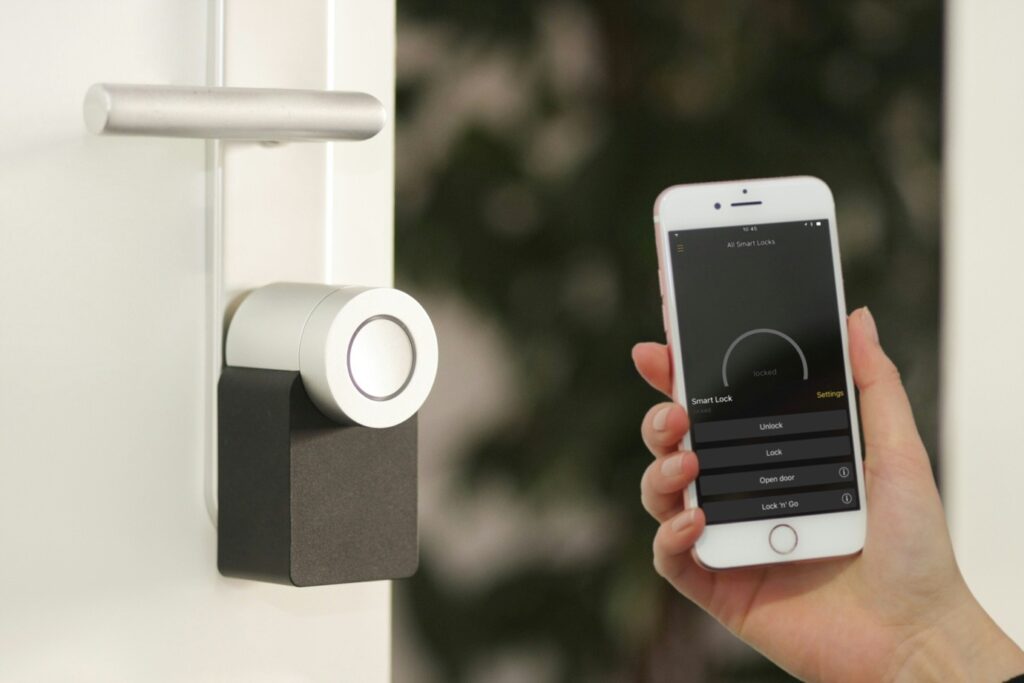
Choosing a home security system in 2026 means sorting through a wide range of options. There’s much to choose from, including budget-friendly DIY kits and fully automated smart homes. Whether you’re based downtown, on Johns Island, or another part of the Charleston area.
Here is what actually matters when picking a system these days.
Professional Monitoring That is Consistently Reliable
Homeowners who put peace of mind at the top of their list can benefit from a professionally installed and monitored system, which still remains the gold standard.
Make sure to search for providers with redundant monitoring centers, since that backup infrastructure keeps your alarm connected even if one facility experiences an outage. Fast response times are also important, and in 2026 the best providers average well under 30 seconds from an alarm sounding and a real person finding out what’s occurring.
Couple that with AI-enabled cameras for recognizing faces, and your system will detect intruders and welcome in trusted visitors, friends, or family members.
DIY Systems Have Evolved
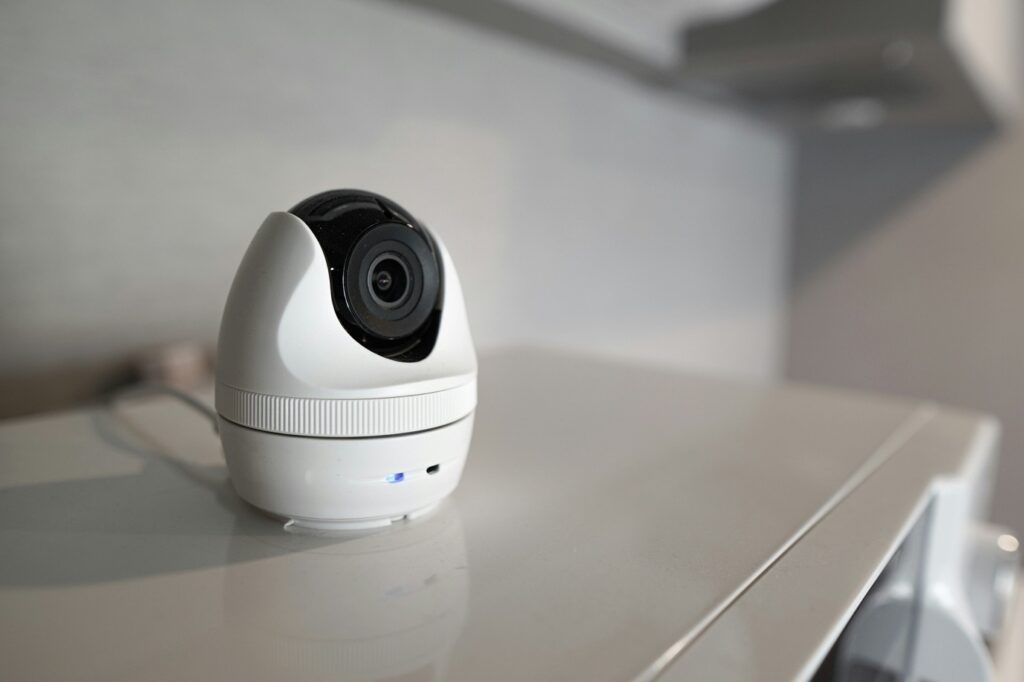
DIY security has evolved from clunky sensor kits and confusing apps to the point that we’re now seeing self-installed systems that can be set up in less than an hour, with peel-and-stick sensors and cameras that pair in seconds.
One of (if not the biggest) developments this year has been the rise of active deterrence features; cameras with two-way audio let live monitoring agents speak directly to an intruder in real time, often stopping a burglary before it escalates. This kind of proactive protection used to be reserved for high-end professional installs, but it’s now available on flexible and contract-free DIY plans.
Budgeting
When it comes to this kind of household project, expect to pay between $300 and $1,000 on equipment. This is a wide range, but the cost can swing either way depending on the size of your home and how many cameras you want.
Some systems offer outdoor camera monitoring and strong AI detection; unsurprisingly, they sit at the higher end, but basic packages can be found for less, which can drop further during seasonal sales.
Finding What Works for Your Charleston Home
If you’re based near the coast, there are several factors to consider that could be detrimental to your setup; salt air and humidity are examples of conditions that put a strain on outdoor equipment. Therefore, you might want cameras and sensors that can withstand the elements.
If a system holds solid battery backup on both the hub and door/window sensors, it’ll keep your home protected even during an extended outage.
Finally
There’s no single system that works best for every homeowner.
If you want a fully managed, professionally installed experience, source providers with strong monitoring infrastructure and smart camera integration, and if you’d rather install things yourself and stay flexible, today’s DIY options offer nearly the same level of protection without requiring your long-term commitment.
Wondering which system will fit your home the best? Reach out to the Charleston Security Systems team; we’re happy to help you find the right fit.