
If you are comparing security cameras vs alarm systems, first think about what you want the system to do. A camera lets you see what is happening and keeps a recording. An alarm is meant to detect a problem and alert you.
They can also be used together. For many Charleston homes and businesses, that may be more useful than choosing just one.
What Do Security Cameras Do?
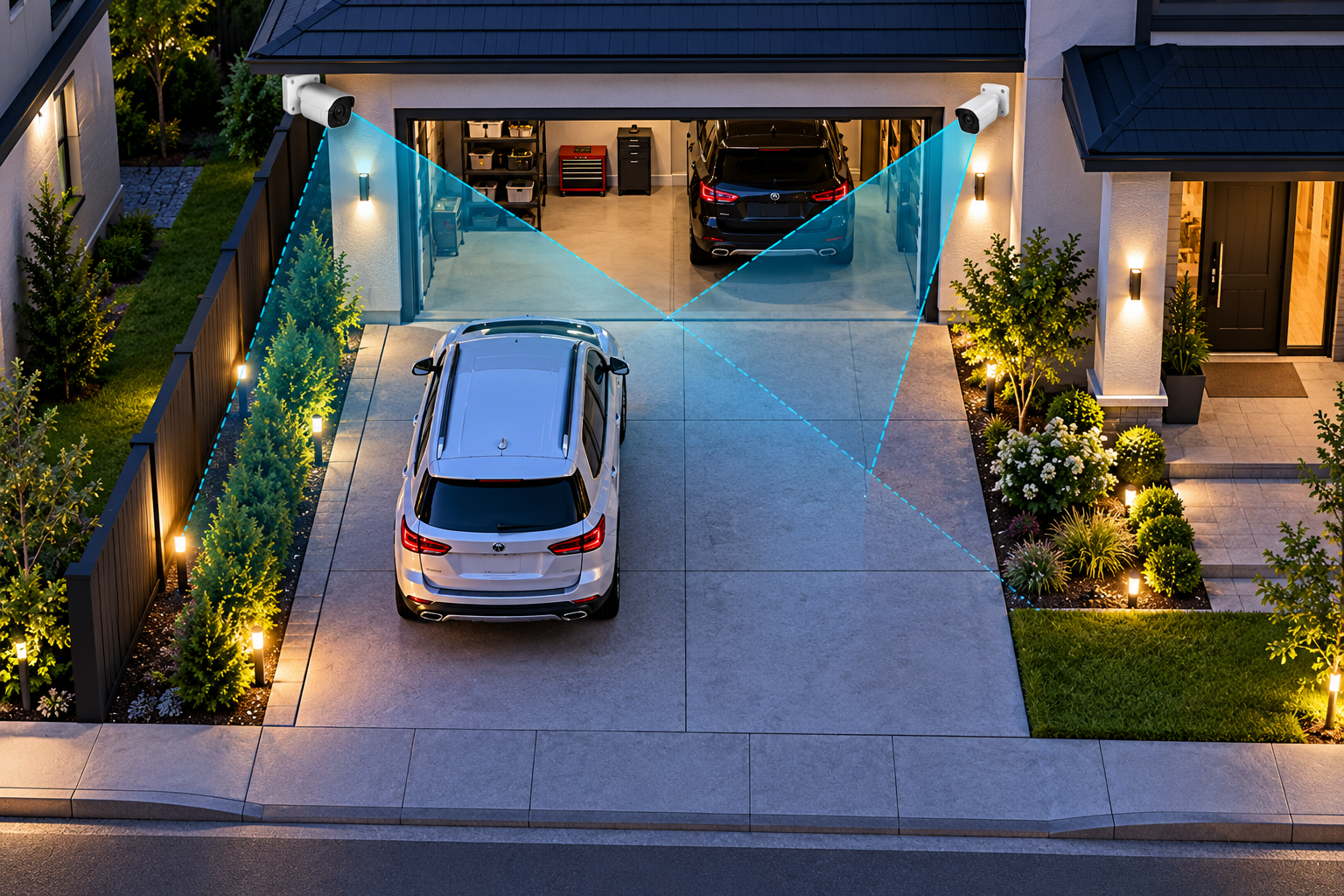
A security camera lets you keep an eye on parts of your property. You might put one near the front door, driveway, parking area, hallway, or storage room.
Modern camera systems can include:
- Live remote viewing
- Motion-triggered recording
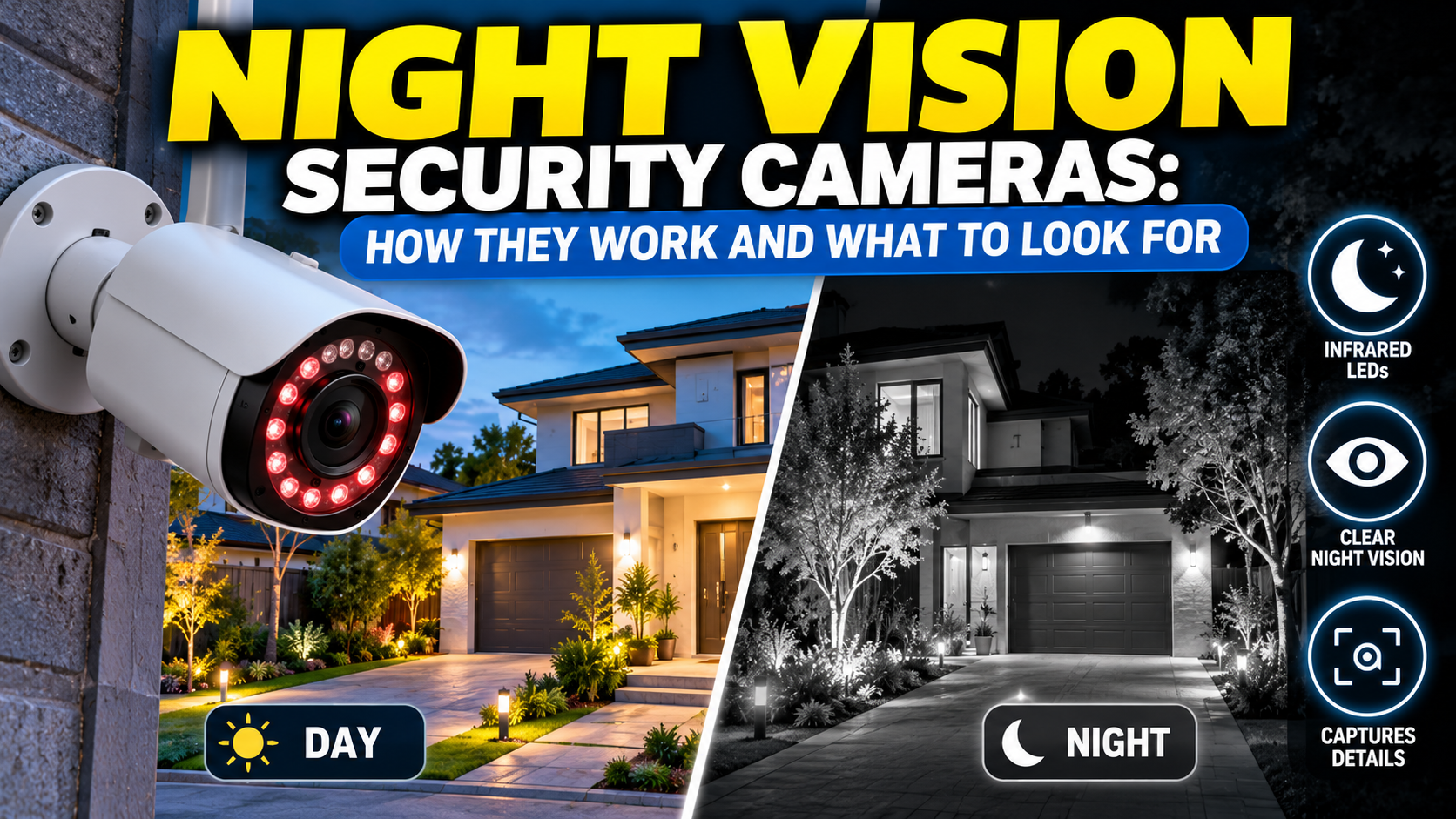
- Night vision
- Mobile notifications
- Cloud or local video storage
- High-resolution footage
The video can come in handy after an incident. You can look back and see what happened, where it happened, and when.
A systematic review in Criminology & Public Policy looked at 40 years of CCTV research. It found a modest but significant reduction in crime linked to CCTV, with more consistent results in parking areas.
Charleston property owners can also look at local security camera and property protection options for homes and businesses.
What Do Alarm Systems Do?
An alarm has a different job. It can react when a door opens, a window breaks, or movement is detected in a protected area.
A typical alarm system may have:
- Door and window sensors
- Motion detectors
- Glass-break sensors
- Sirens
- Control panels
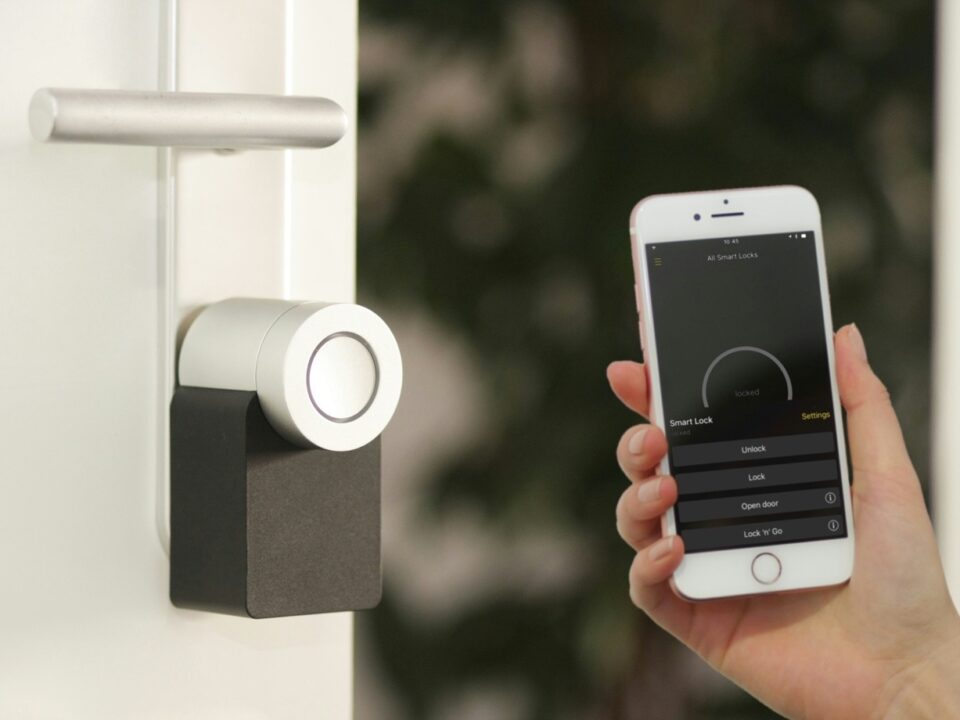
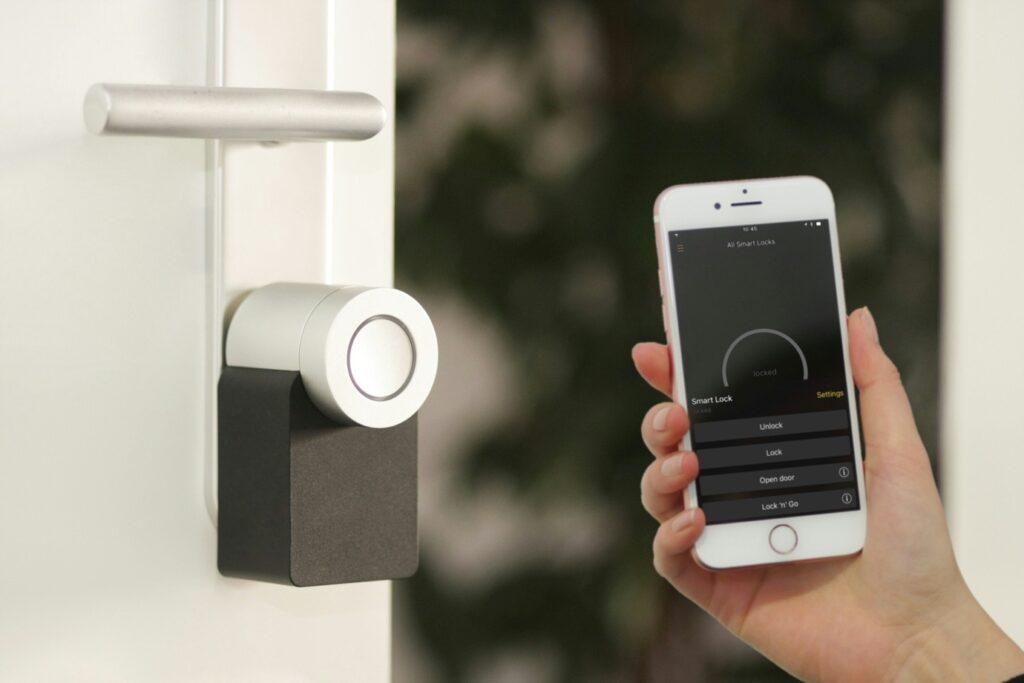
- Mobile alerts
- Professional monitoring
The key difference is what happens when something is detected. A camera gives you a view of the event. An alarm sends an alert when it detects an intrusion.
Professional monitoring can take that a step further. When the alarm goes off, a monitoring center can respond to the signal. Charleston Security Systems explains how professional alarm monitoring works for local homes and businesses.
Security Cameras vs Alarm Systems: Key Differences
The two systems do not do the same thing.
With a camera, you can watch a live feed or check saved video later. So if something happens on the property, you have a way to see it.
An alarm is more focused on detection. A sensor can detect an unauthorized entry even when nobody is checking the cameras.
Which Is Better for a Charleston Property?
A house may need cameras around the driveway and entrances, with door sensors and motion detectors inside. A retail store may need cameras near the registers and stockrooms, plus an alarm after closing.
Charleston’s coastal weather is another thing to consider. Outdoor cameras are exposed to humidity and other weather conditions, so the equipment and where you place it both matter.
Why Combining Cameras and Alarms Works Well
You can use both.
For example, a door sensor could trigger an alarm at night. A nearby camera can then show what happened. Instead of wondering why the alarm went off, you can check the video.
Cameras can watch different parts of the property, while alarms and sensors can pick up activity that may not be obvious from a camera.
Conclusion
The security cameras vs alarm systems choice is not always about picking one. Cameras let you see and record activity. Alarms detect intrusions and send alerts.
For many Charleston homes and businesses, using both can give the property better coverage and more information when something happens.
Not always. Cameras let you see and record activity. Alarms are designed to detect intrusions and send alerts.
They can still be useful. A camera can show what caused the alarm and save footage of the event.
Yes. Cameras, sensors, alerts, and monitoring can be connected as part of one system.